

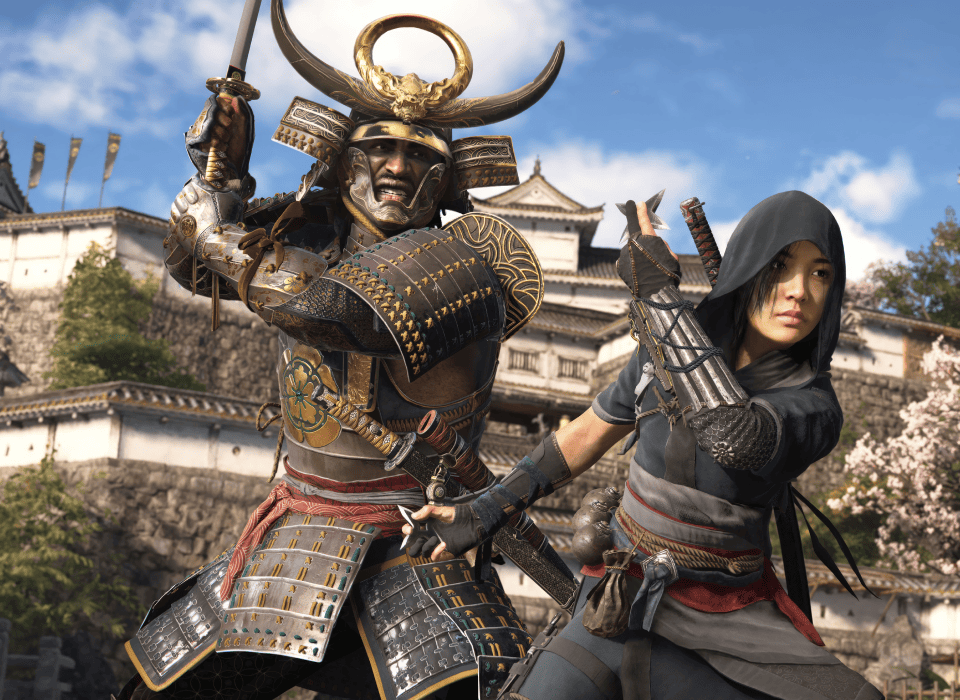
Character design is more than just drawing a face or choosing an outfit — it’s about crafting a personality, a story, and an emotional connection that players will remember long after they put down the controller. In modern game development, character design is a delicate blend of art, psychology, and storytelling.
1. Start with a Strong Concept
Every iconic character begins with a clear concept: their role in the story, their motivations, and their emotional journey. Before sketching, designers ask: Who is this character, and why should players care?
“Great characters don’t just look cool — they feel real.”
— Senior character artist
2. Visual Language and Silhouette
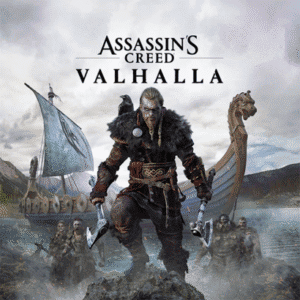
A memorable character should be recognizable even in silhouette. Shape language — from sharp, angular edges for villains to soft, rounded forms for friendly allies — communicates personality instantly.
3. Color as a Storytelling Tool
Colors aren’t just aesthetic choices. Warm tones can evoke trust and energy, while cool or muted palettes might hint at mystery, sadness, or danger. Many designers subtly evolve a character’s colors to reflect their growth.
4. Cultural and Historical Influences
Inspiration often comes from real-world history, fashion, and mythology. These references add depth and authenticity, grounding fantastical characters in something relatable.
5. Animation Brings the Design to Life
A static image can be beautiful, but animation adds personality. A confident stride, nervous fidget, or playful gesture can tell as much about a character as their dialogue.
Conclusion
The art of character design is about creating more than just a hero — it’s about building a connection. When a player remembers not just how a character looked, but how they made them feel, you know the design has truly come to life.
